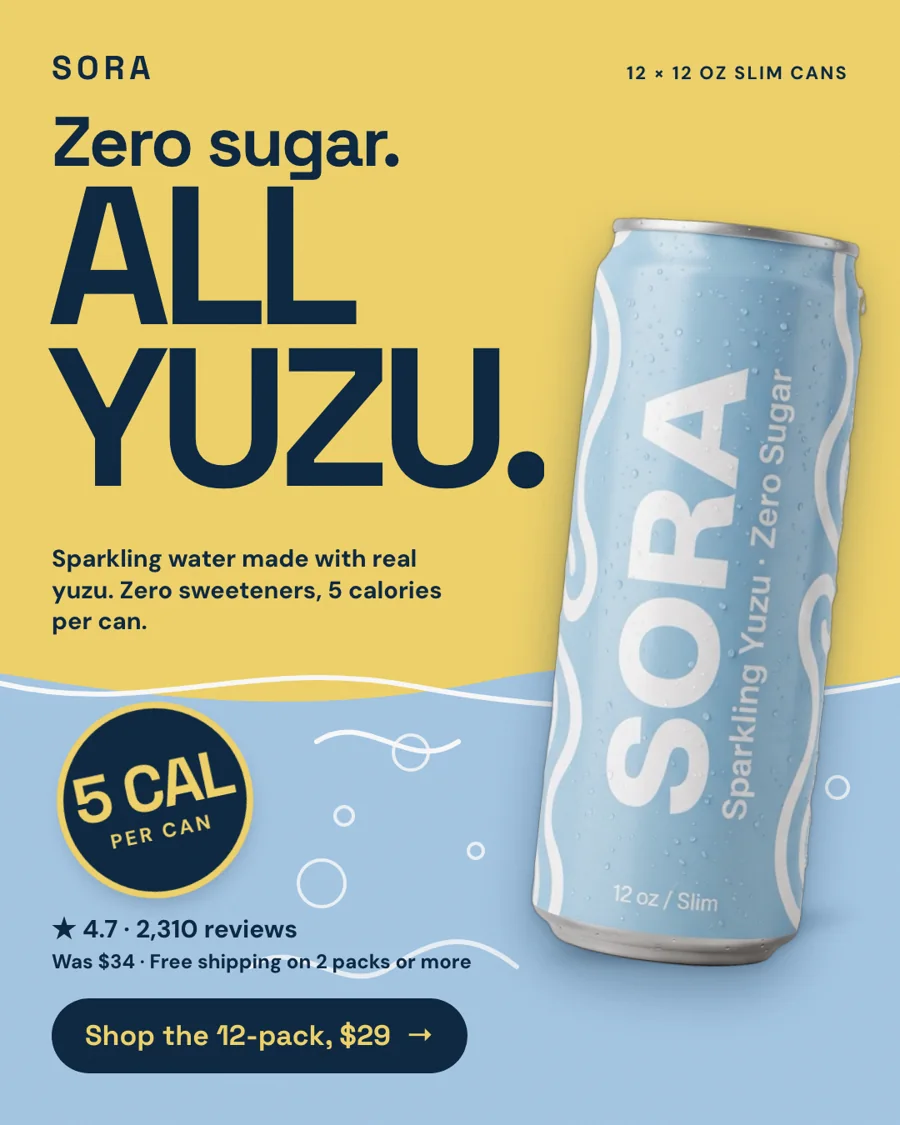
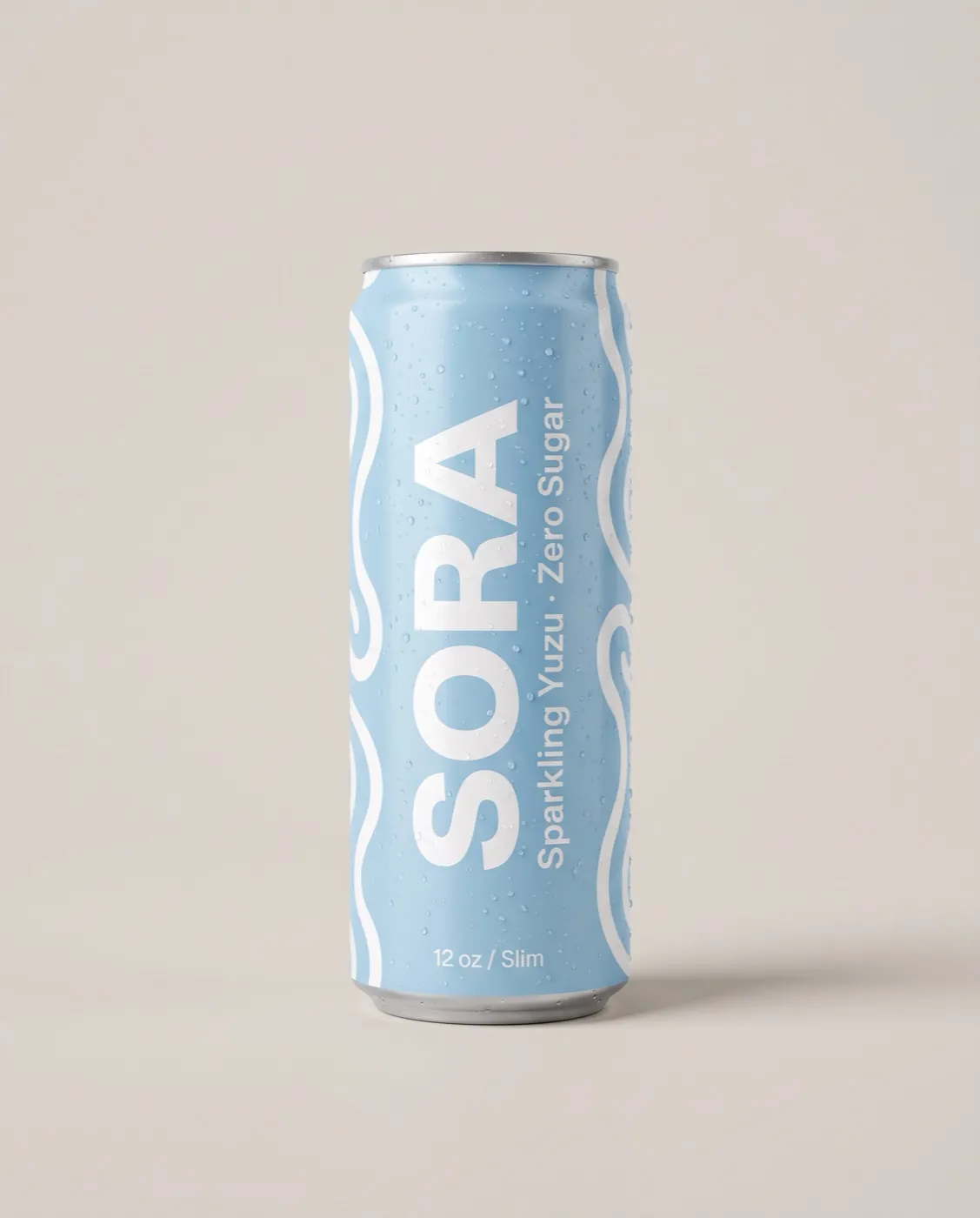
300x250 banner ad maker

300x250 banners: what works, and what we make instead

The 300 x 250 medium rectangle is the most common display slot on the web, sitting inside articles and in sidebars on phones and desktops. StoreToAds does not make fixed 300 x 250 files yet. Here is how to design one well, and the Google-ready images we make instead.

Launching soon. Early access opens in small batches; we'll email you first.

The 300x250 at a glance

300 x 250
Size300 x 250 px (ratio 6:5)
Google's nameInline rectangle, widely called the medium rectangle
Where it showsInside articles and in sidebars, on mobile and desktop
File limit150 KB for uploaded image ads in Google Ads
Google Ads Help, uploaded display ads specifications, October 2026.

At 300 by 250 pixels there is room for a product, about five words and a button, and not much else. Everything below follows from that.

How to design a 300x250 that gets read

  • One product, cut out cleanly and large enough to recognize. A wide lifestyle scene shrinks to noise at this size.
  • A headline of five words or fewer, set big.
  • A clear button shape with one verb: Shop, Try, Get.
  • Your logo or name, small but readable, so people know where the click goes.
  • A solid background or a thin border, so the ad does not melt into a white article page.
  • Stay under 150 KB: flat colors and a compressed PNG or JPG help.

What StoreToAds makes instead

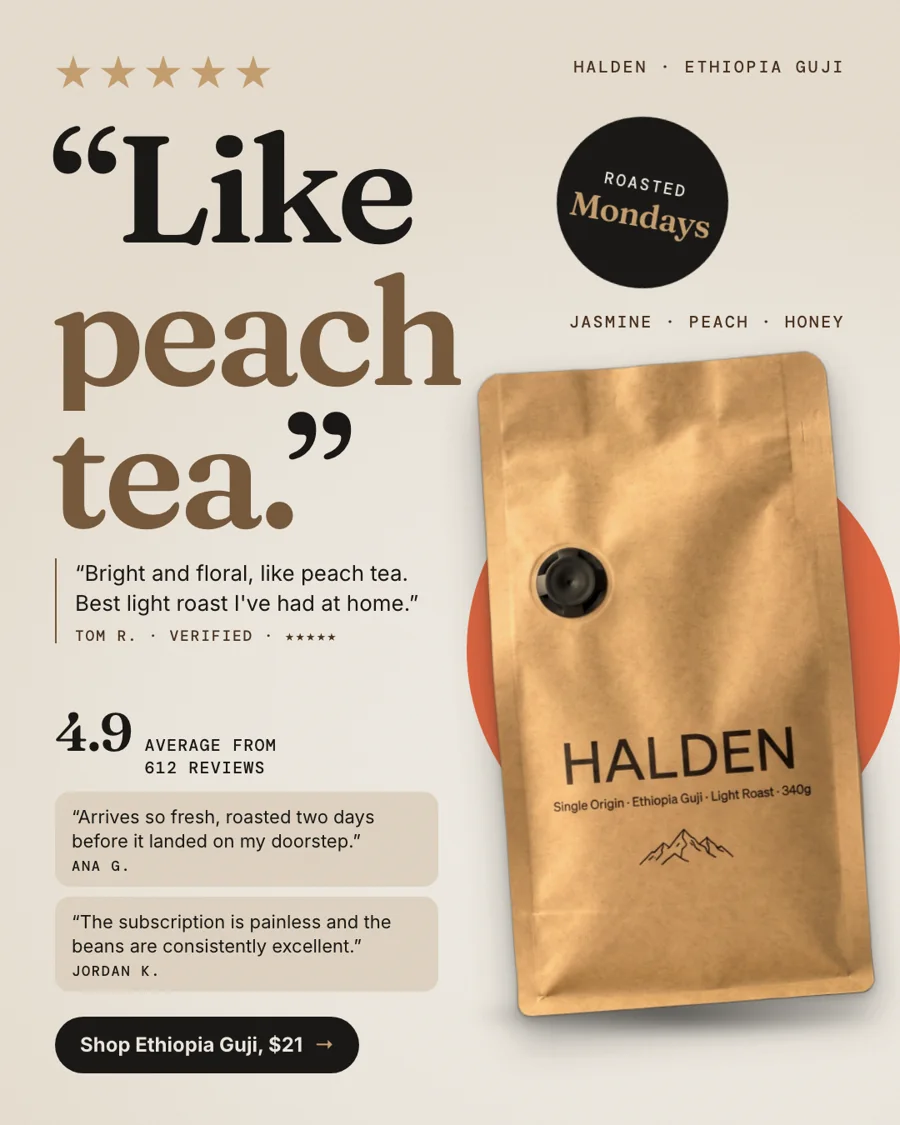
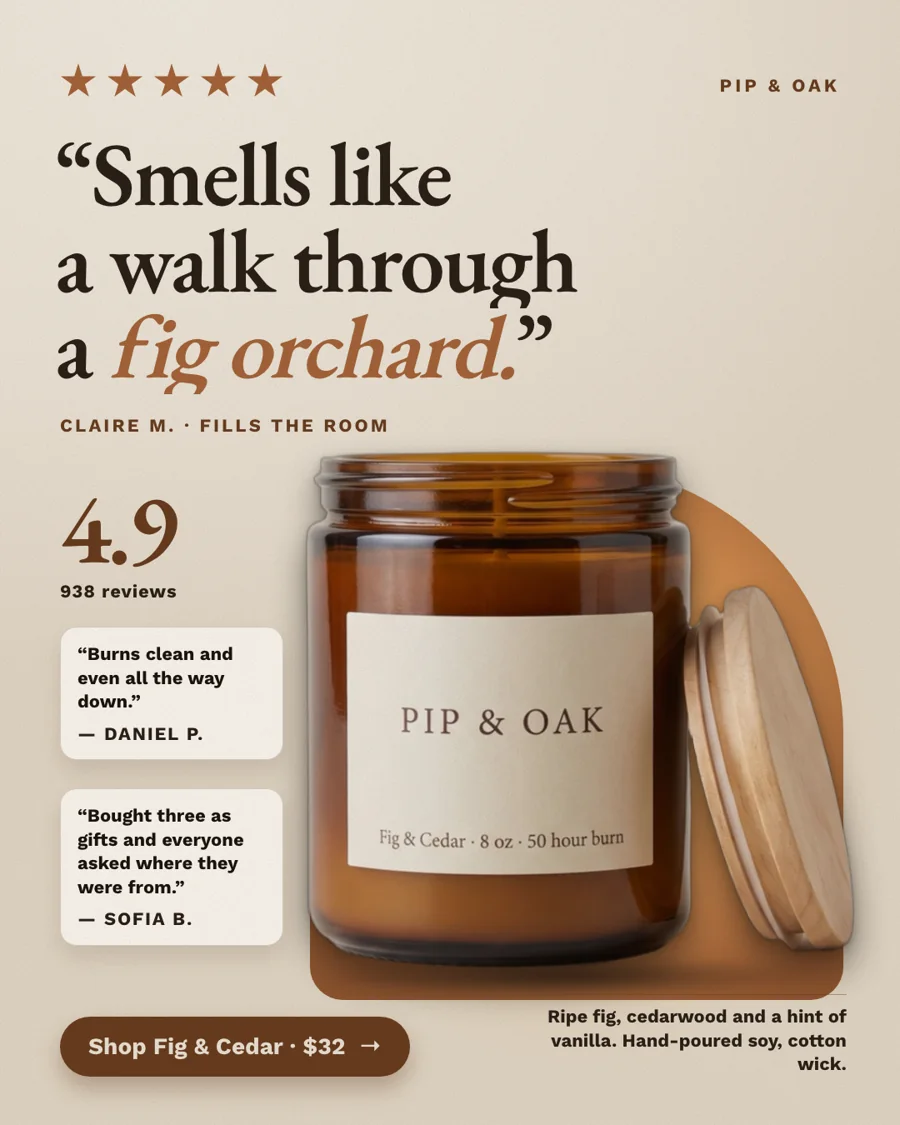
Fixed banner sizes and HTML5 banners are not offered yet. What every StoreToAds ad does include is the set of images Google's responsive display ads ask for: a 1.91:1 landscape at 1200 x 628 and a 1:1 square at 1080 x 1080, plus a 9:16 vertical. Google lists 300 x 250 among the most common display sizes, and responsive display ads adjust their size and layout to fill slots like it.

Two honest caveats. Our landscape image places the full ad design in the center of the 1200 x 628 canvas with its background carried to the sides, so it is the same ad, not a re-flowed banner. And Google's best-practice guide for responsive display ads prefers images without overlaid text, so add a few plain product photos from your store to the same ad.

If a publisher or ad network needs exact 300 x 250 files, StoreToAds is not the right tool today; a designer or a banner tool is. See how we compare with BannerBoo and Creatopy.
How it works

How StoreToAds makes it

  1. 01

    Paste your store

    We read your products, prices and reviews from your product pages and check every fact.

  2. 02

    Get Google-ready images

    Every ad includes a 1200 x 628 landscape, a 1080 x 1080 square and a 1080 x 1920 vertical file.

  3. 03

    Build a responsive display ad

    Upload the images in Google Ads with your headlines, descriptions and logo. Google sizes the ad for each slot, 300 x 250 included.

  4. 04

    Use the rest on Meta and Pinterest

    The same ads come in 4:5 and 9:16 for Facebook and Instagram, and 2:3 for Pinterest.

Examples

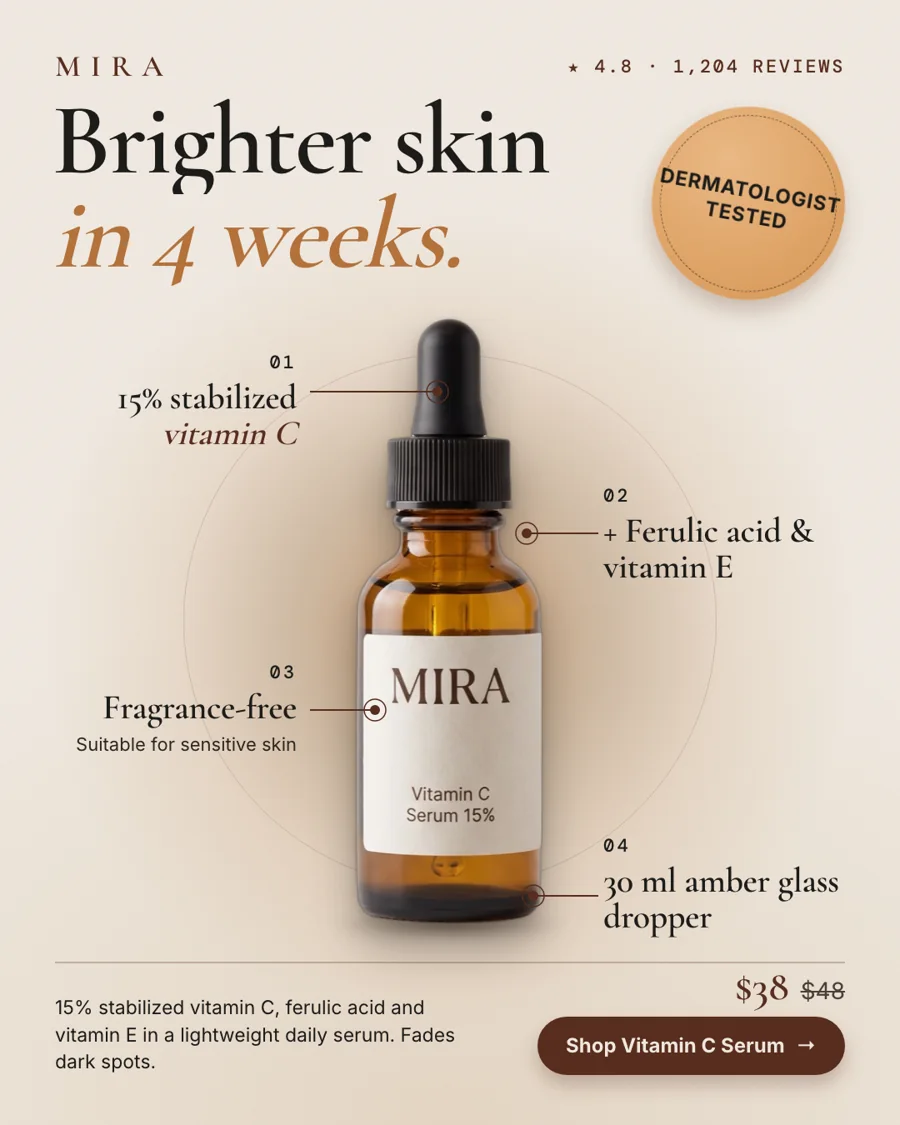
Fictional sample brands. Drag across an ad to see the store photo it was made from; our engine designed each one from that photo and the store's data.

Sample stores
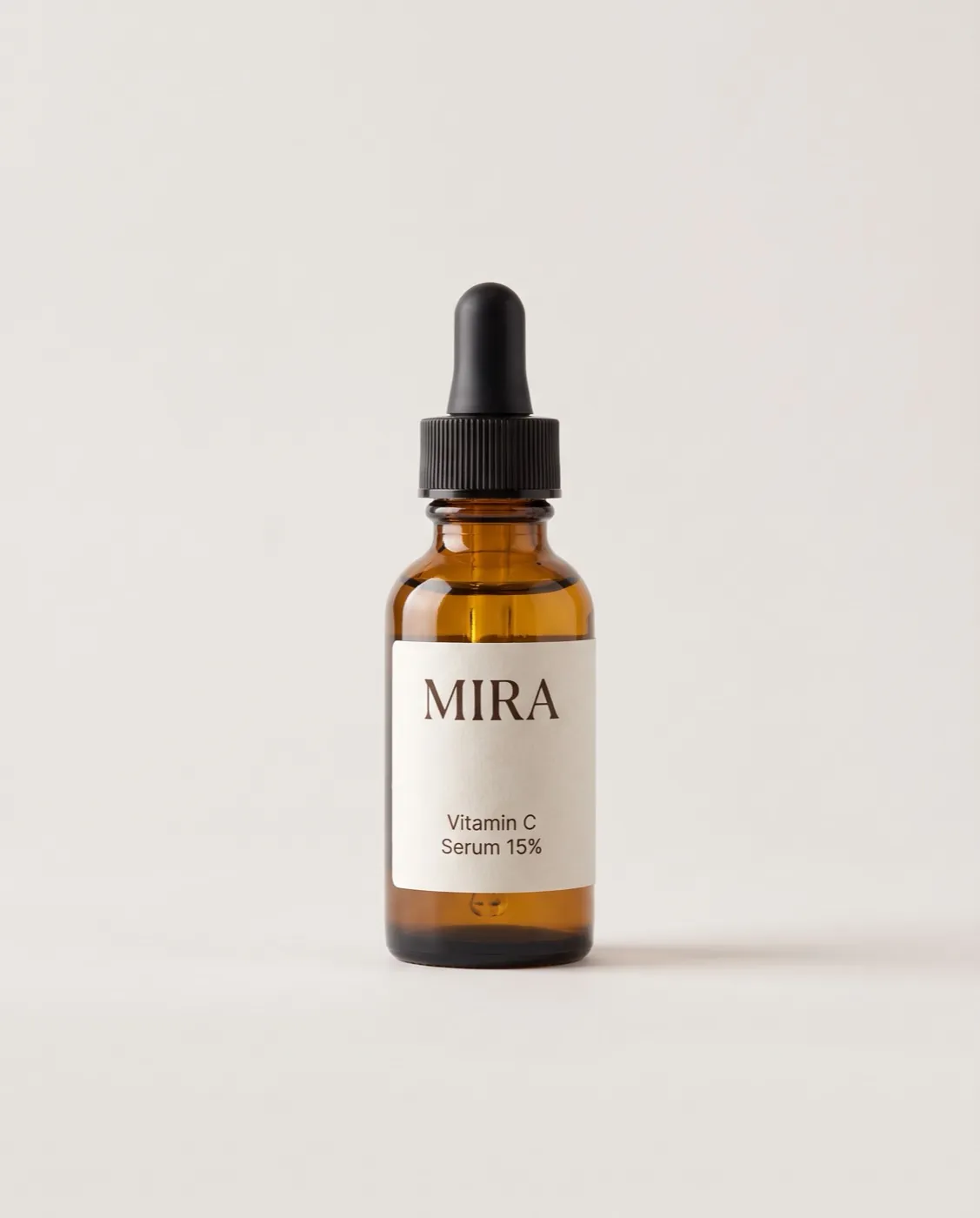
The finished Mira ad: BenefitMira Vitamin C Serum 15%: the product photo from the store

Mira

Skincare

Vitamin C Serum 15%

  • Price checked
  • Reviews checked
  • 5 sizes

Reason to buy: Benefit

Make this for my store

Questions

Can StoreToAds export a 300x250 PNG?

Not yet. Fixed banner sizes and HTML5 banners are not offered. Every ad includes the 1.91:1, 1:1 and 9:16 images that Google's responsive display ads use instead.

Will a responsive display ad really show in a 300x250 slot?

Google lists 300 x 250 among the most common sizes responsive display ads appear in, and the ad adjusts its layout to the slot. Google decides the final look, so it may lean on your headline, logo and a crop of one image.

Why is the file limit 150 KB?

That is Google's limit for uploaded image ads. It keeps pages fast, and it is why fixed banners use flat colors and few photos.

Is there a Google Ads connection?

No. Today the only direct connection is Send to Meta. Download the images and upload them in Google Ads yourself.