Why one product needs many angles
Shoppers don't all buy for the same reason. One wants the result, another wants proof that other people liked it, a third is waiting for the price to drop. Meta's delivery system can only find those people if your ads give it different arguments to test. Ten near-identical ads give it one.
- Benefit: the one result the product delivers, in a short headline.
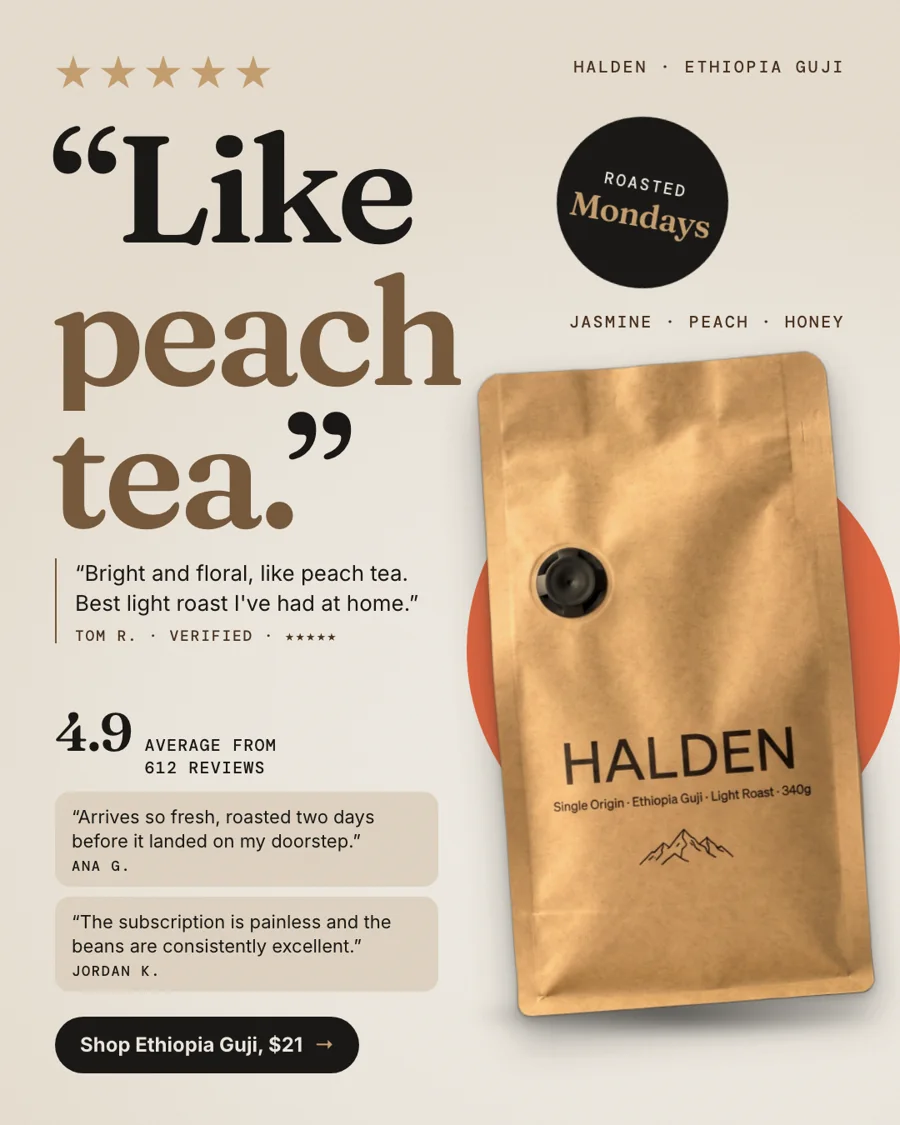
- Social proof: your star rating, review count or a customer's exact words.
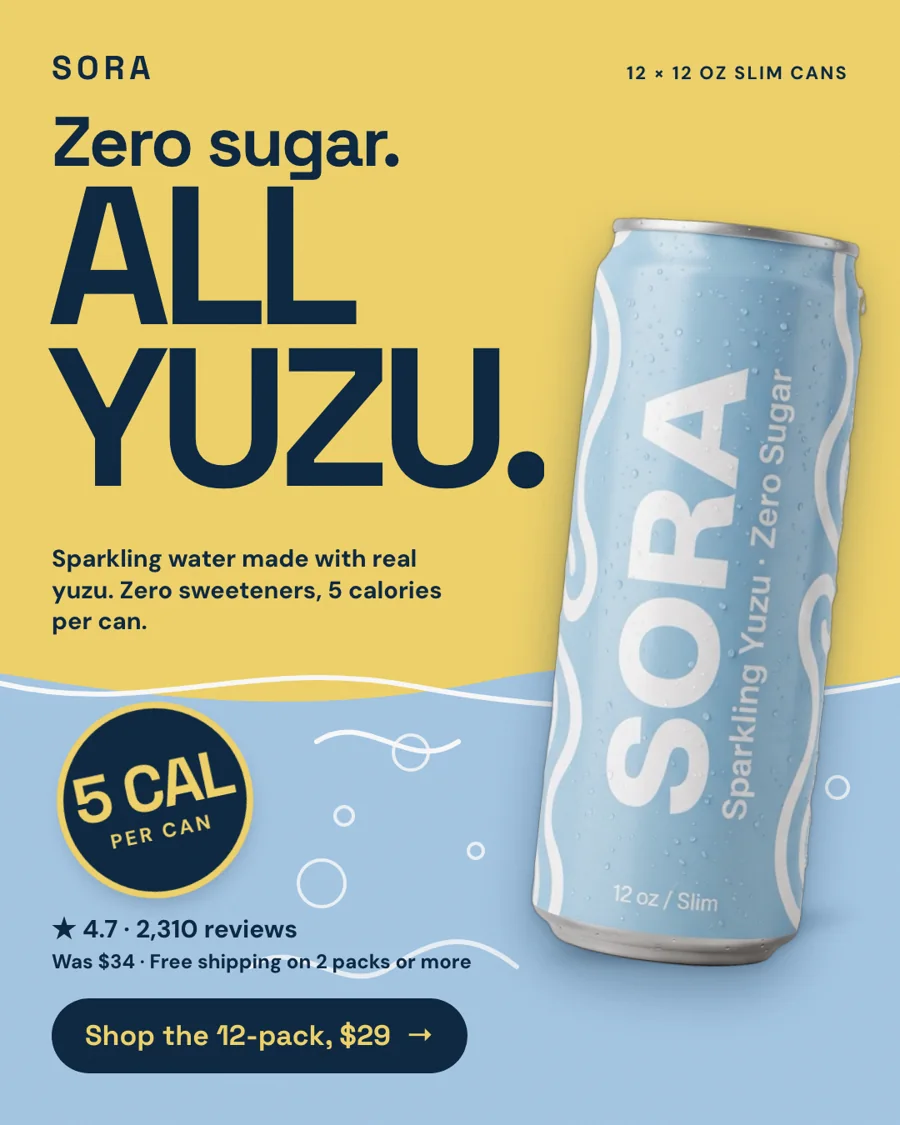
- Offer: a real sale price or an offer you set, never an invented discount.
- Comparison: how it differs from the usual option, using only claims your page supports.
- Ritual or occasion: when and how people use it, like a morning routine, a gift or an afternoon pick-me-up.
- Personality: a native-feeling format, such as a Notes list or a POV meme, that sounds like your brand.
What an AI product ad generator should and shouldn't do
The useful part of AI here is judgment: picking which facts on your page are worth an ad, matching a format to each one and writing a hook. The risky part is invention. StoreToAds keeps AI on the first job and code on the second. Prices, ratings and quotes are checked against your store, and the product photo is cut out and placed, never redrawn.
Honest note: if your page has no reviews, you won't get review ads. The engine only uses formats your data can support.
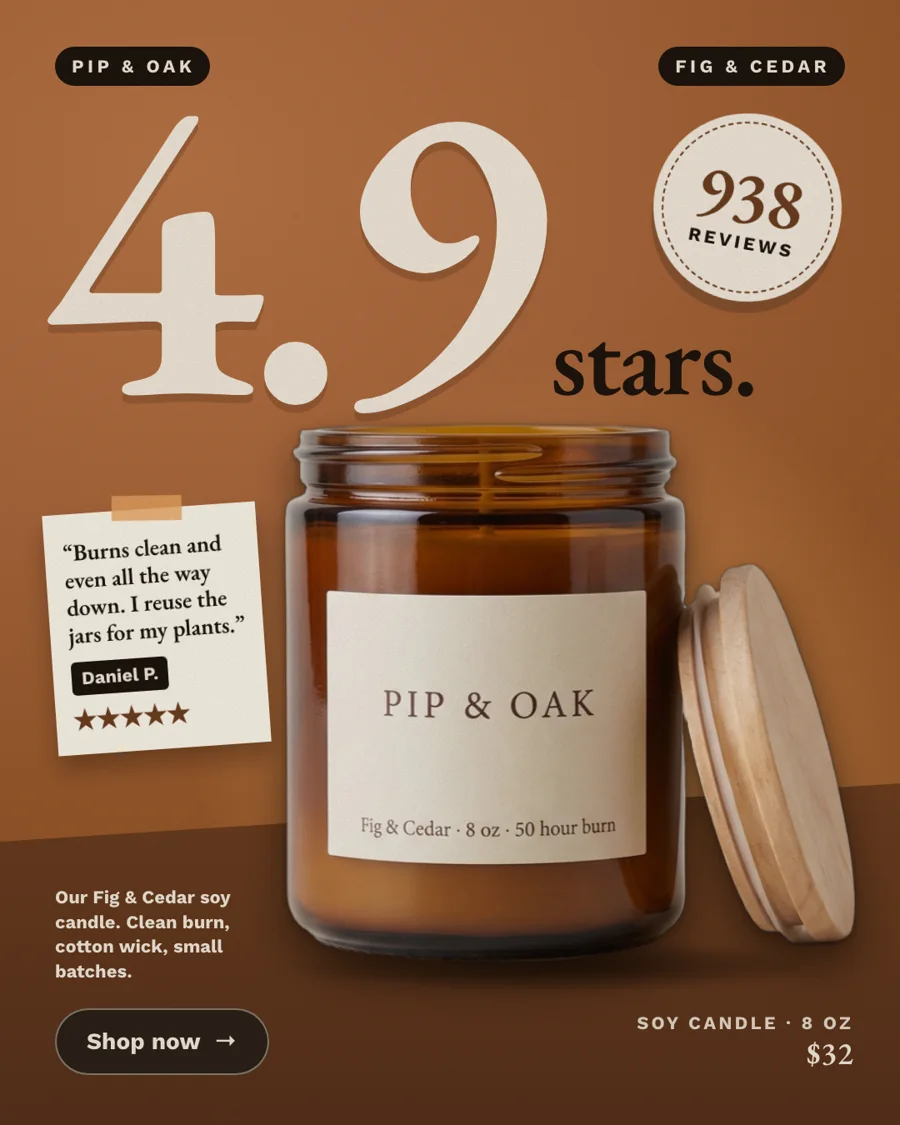
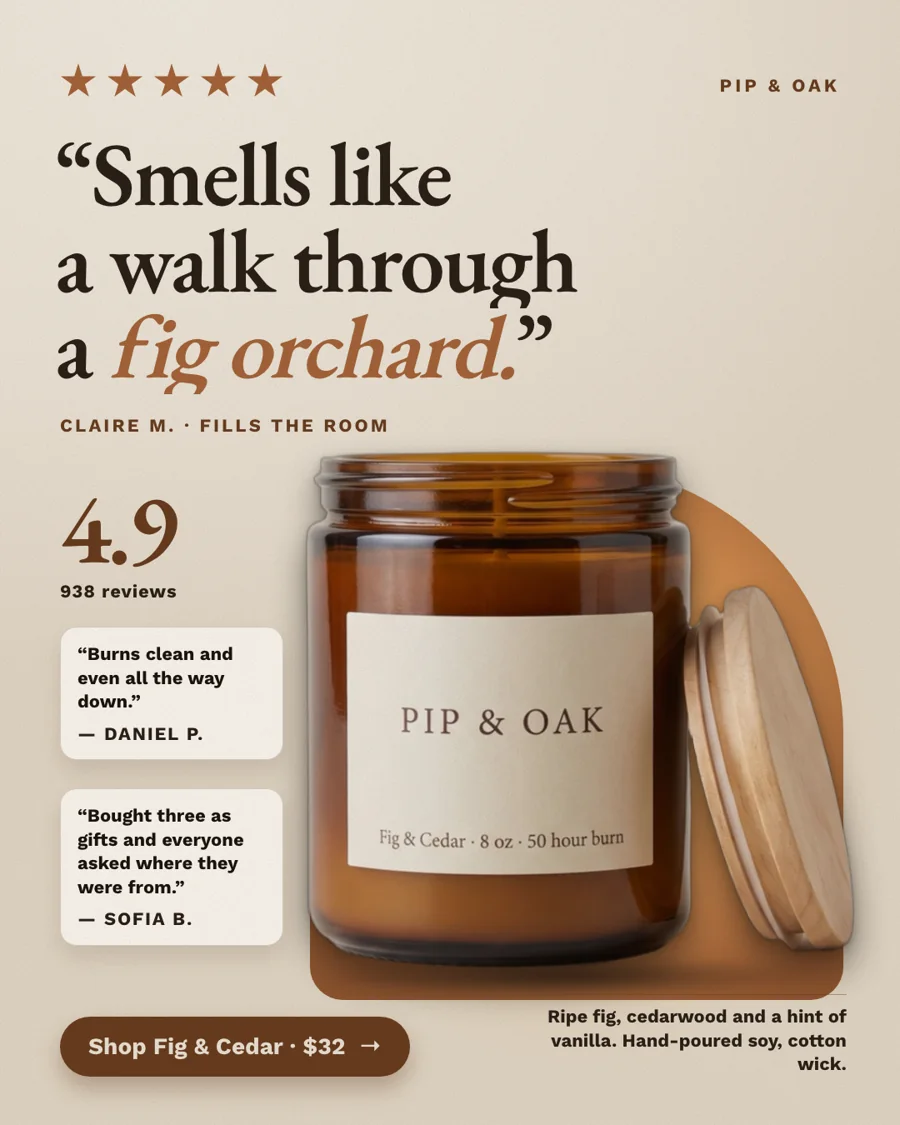
An example: one candle, four arguments
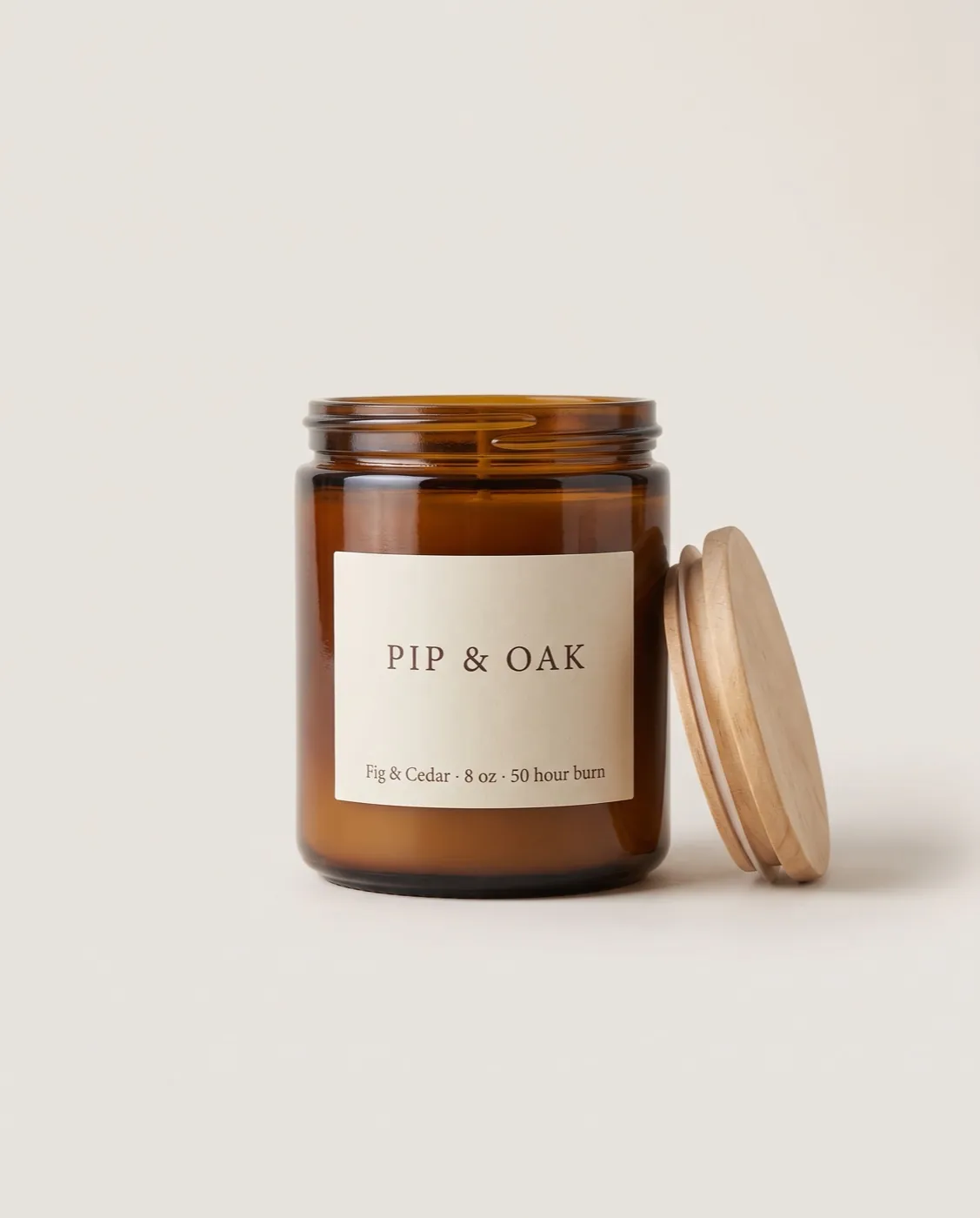
Our fictional sample brand Pip & Oak sells a Fig & Cedar Soy Candle at $32. From that one product page the engine made a review card, an annotated product ad (cotton wick, reusable amber jar, wooden lid), a big-number ad built on its 4.9 rating from 938 reviews, and a Notes-app gift list.