problem solution ad generator

Problem-solution ads that name the problem your customers actually have

The fastest way into a shopper's head is a problem they had this morning. StoreToAds builds problem-solution ads from what your product page says it fixes and how your customers describe it, then puts your real product in as the answer.

Launching soon. Early access opens in small batches; we'll email you first.

Find the problem in your reviews

Customers describe the problem better than any marketer. "I've swapped my afternoon soda for this" tells you the real problem a sparkling drink solves: the 3pm sugar habit. Look for it in three places:

  • Reviews that describe life before the product.
  • Your FAQ page, where people ask what it fixes.
  • Support emails and return reasons, which show what people expected.

Formats that carry it

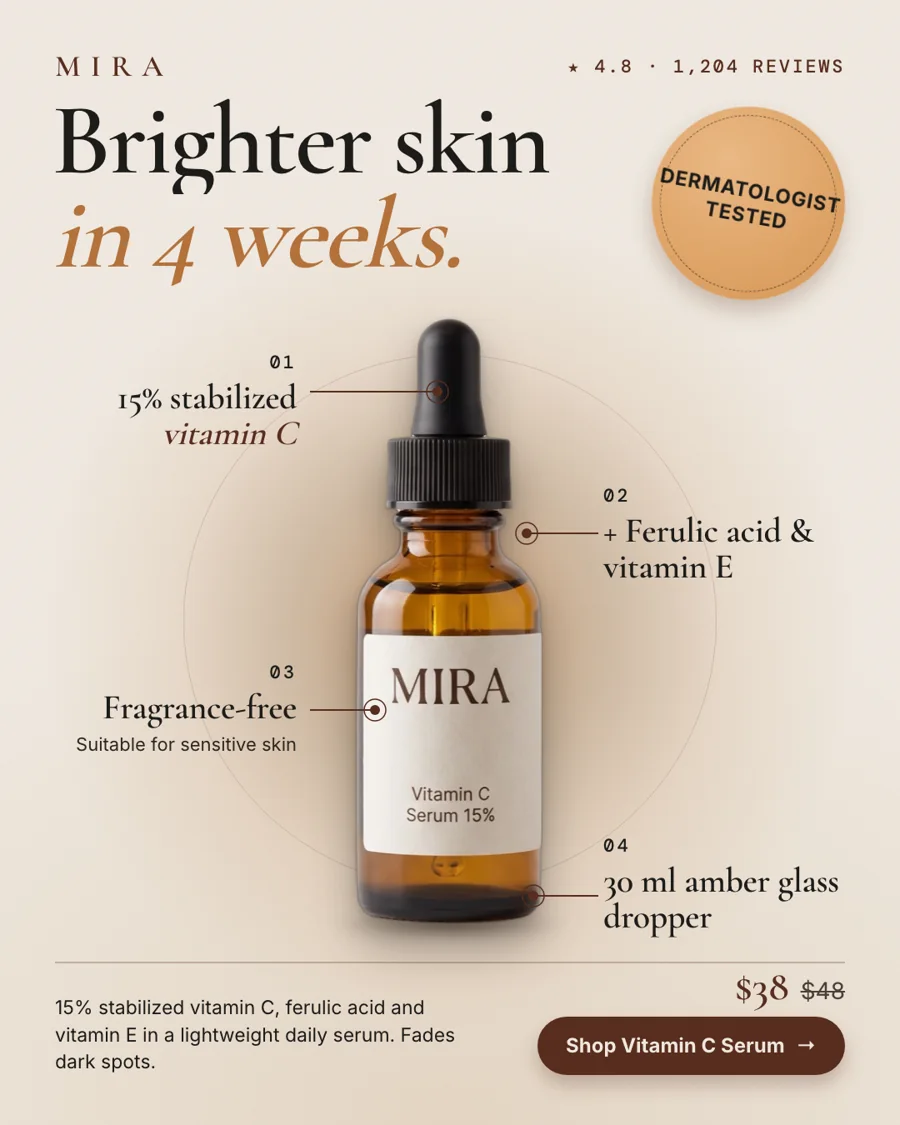
A POV meme names the moment in social language. A Notes-app list walks through the routine. An us-vs-them table compares the old way with yours. An annotated product points at the exact feature that solves it.
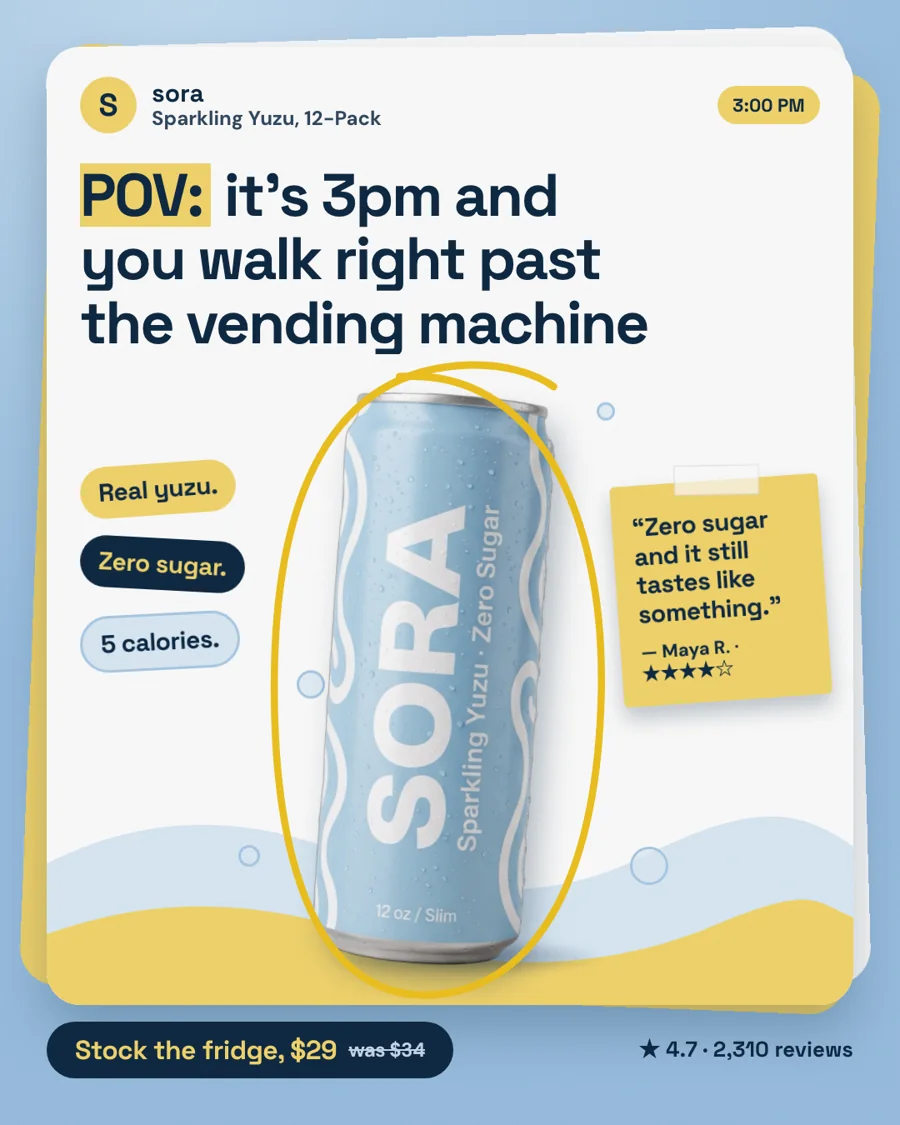
POV meme for Sora, a fictional sample brand: "POV: it's 3pm and you walk right past the vending machine", with real yuzu, zero sugar and 5 calories as the fix.
Fictional samplePOV meme for Sora, a fictional sample brand: "POV: it's 3pm and you walk right past the vending machine", with real yuzu, zero sugar and 5 calories as the fix.

Talk about the situation, not the person

Meta's ad policies do not allow ads that assert or imply things about the viewer's personal attributes, such as health conditions. "Struggling with acne?" points at the person; "For breakout-prone skin" describes the product. The second version is both safer and usually clearer.

  • Do not exaggerate the problem to make the fix look bigger.
  • Only promise a fix your product page supports.
  • One problem per ad. Three problems make the product sound like a gadget from a late-night infomercial.
How it works

How StoreToAds makes it

  1. 01

    Paste your store

    We read your product pages, FAQs and reviews, and a researcher looks through up to 8 pages for the words customers use.

  2. 02

    Tell us the problem if you know it

    Add it to Notes or Must say in Your brief, for example "keeps coffee hot for 6 hours" if your page says so.

  3. 03

    Fix-first designs

    POV, Notes, comparison and annotated formats put the problem in the hook and the product in the answer.

  4. 04

    Sharpen the hook

    Ask AI to change the headline ("make the problem line shorter") and the ad re-renders in every size.

Examples

Fictional sample brands. Drag across an ad to see the store photo it was made from; our engine designed each one from that photo and the store's data.

Sample stores
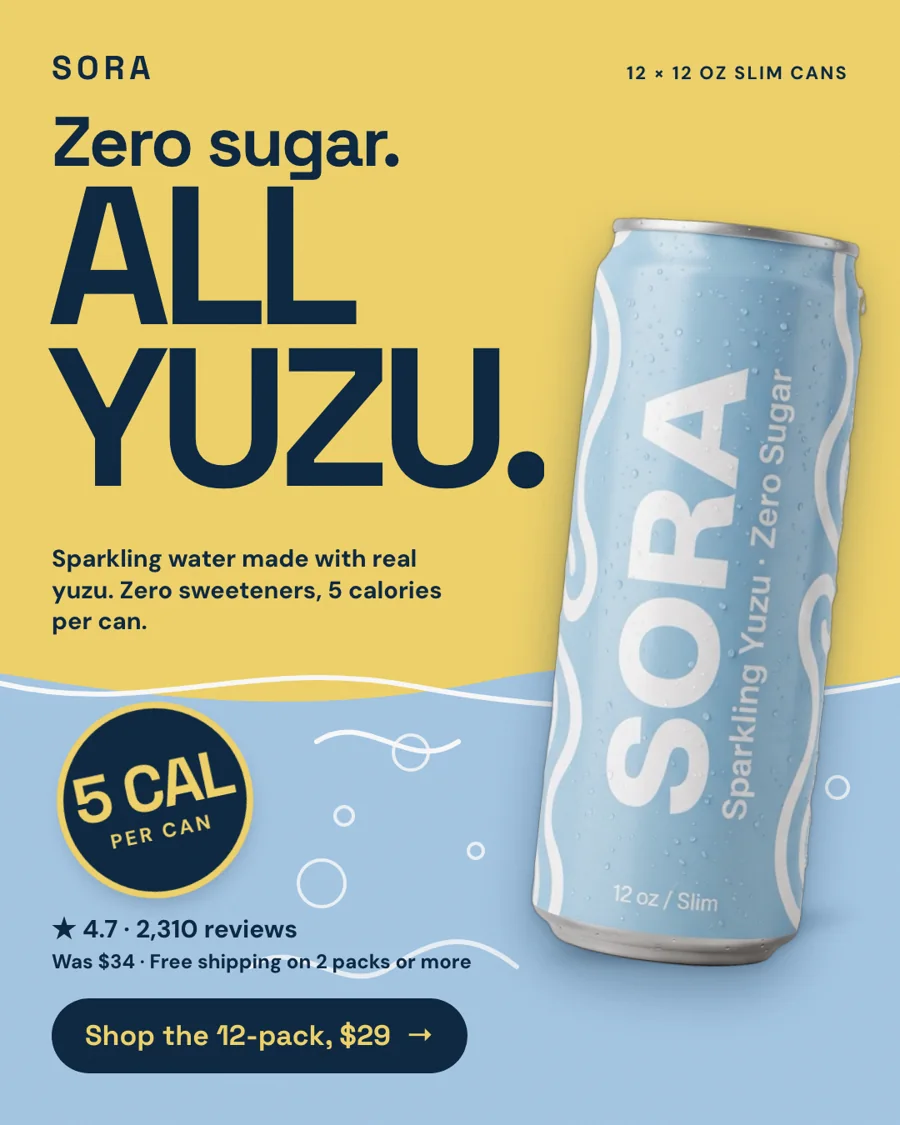
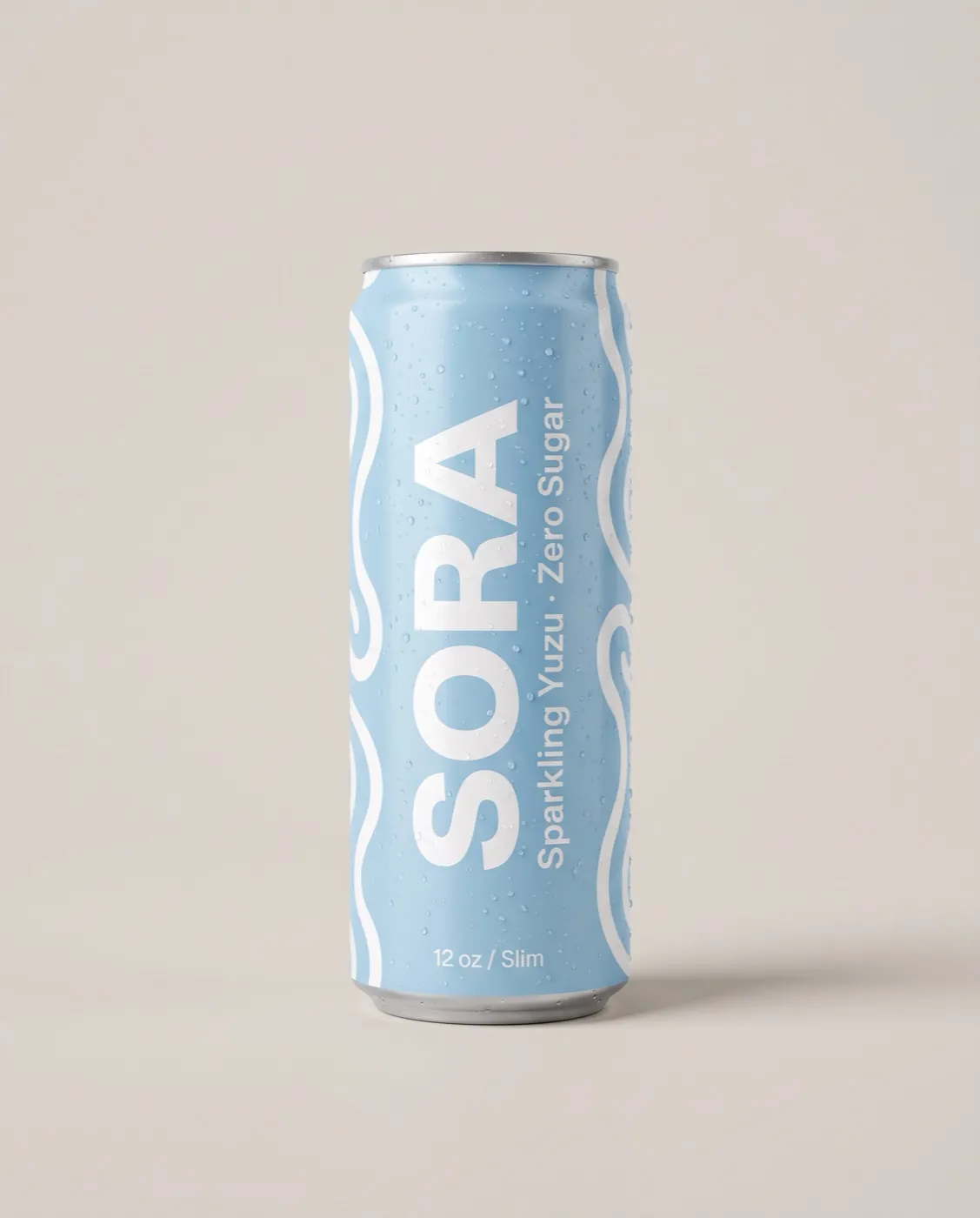
The finished Sora ad: PersonalitySora Sparkling Yuzu, 12-Pack: the product photo from the store

Sora

Drinks

Sparkling Yuzu, 12-Pack

  • Price checked
  • Reviews checked
  • 5 sizes

Reason to buy: Personality

Make this for my store

Questions

Will the ads criticize competitors?

No brand is named. Comparisons are made against the usual alternative, with honest rows taken only from your own product facts.

Can I choose the problem the ads focus on?

Yes. Put it in Notes or Must say in Your brief, and the batch leads with it where it fits.

Is this angle allowed for health and beauty products?

It can be, if the copy describes the product and the situation rather than the viewer's body or health. Check Meta's policies for your category before you publish.