Claims that run and claims that don't
Meta reviews health ads closely, and the FTC expects health claims to be backed by evidence. The safest strong copy is about the product, not the viewer's body.
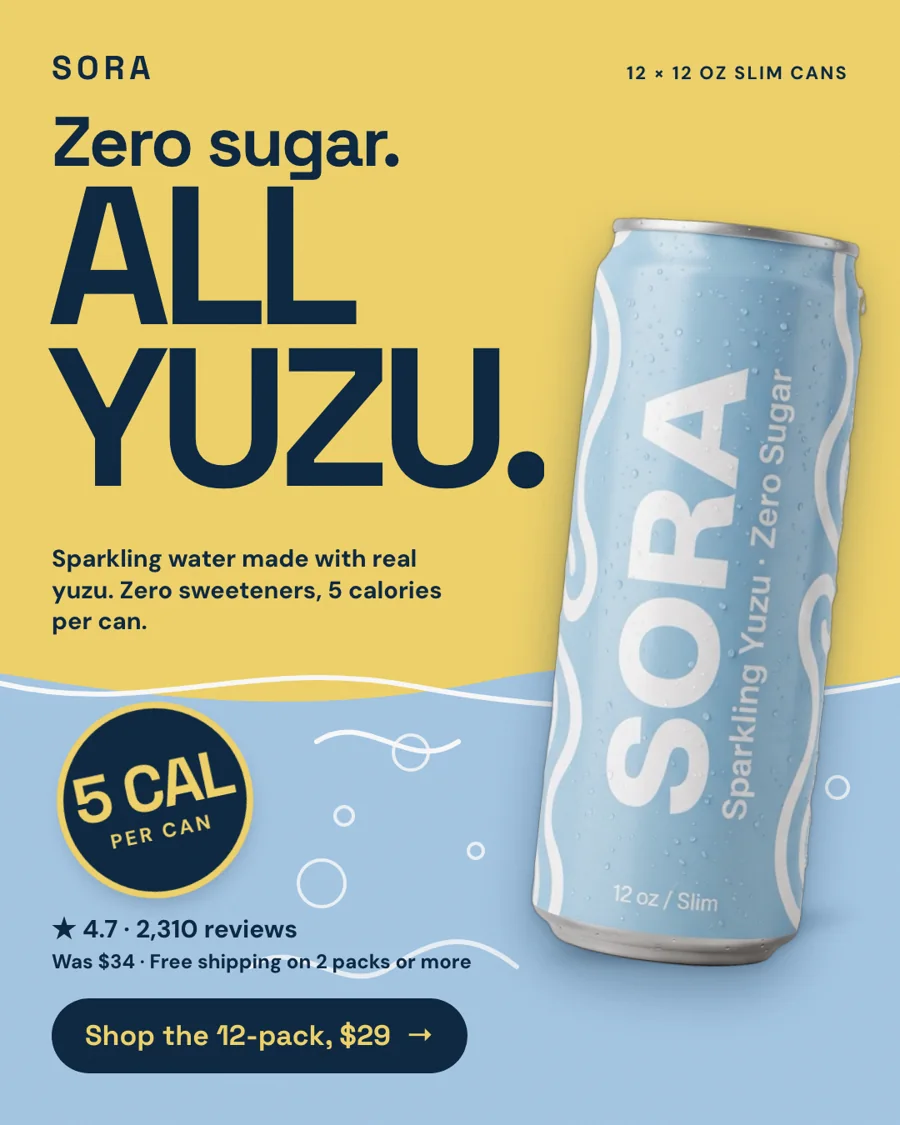
- Dose is the most underused claim. "400 mg magnesium glycinate per serving" is specific, checkable and says more than "potent".
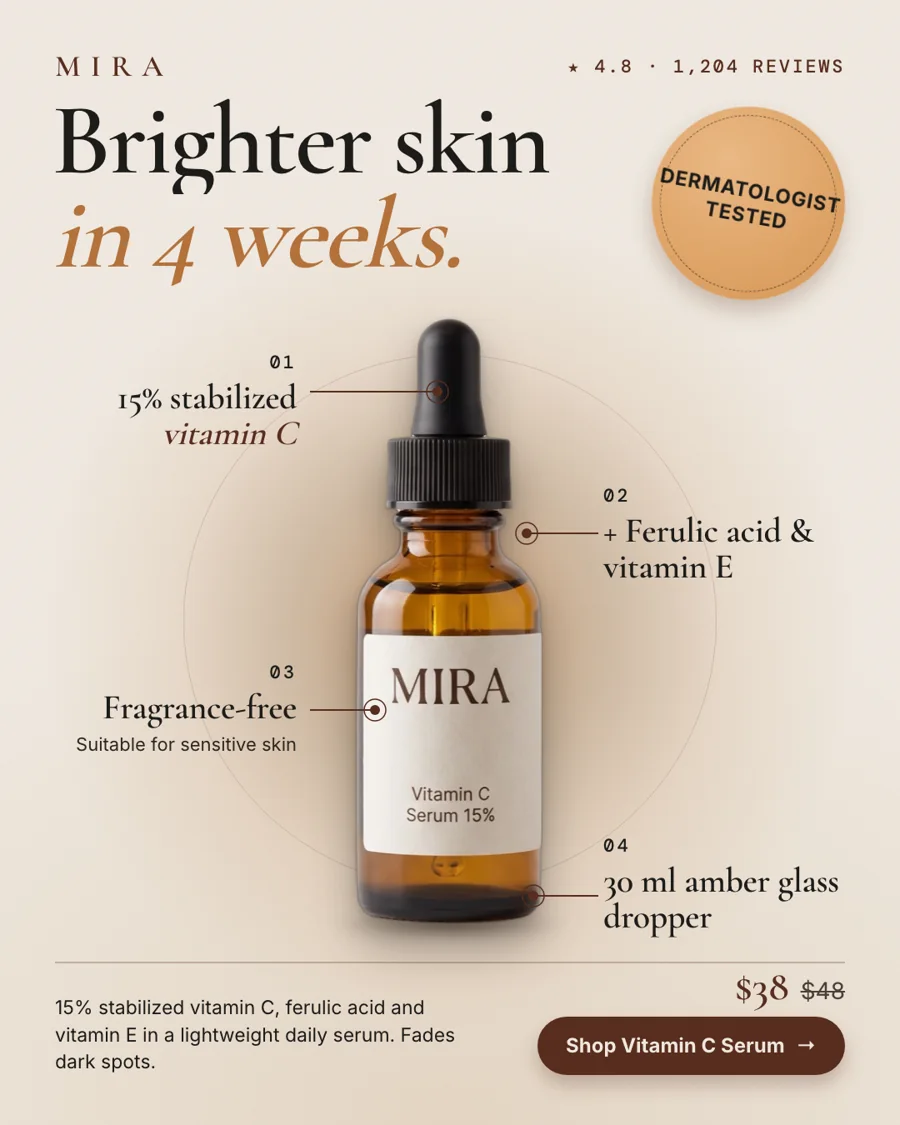
- Certifications belong near the headline when you have them: third-party tested, GMP, a named sport certification. Only the ones your page names appear.
- Routine framing places the product in a day without promising a result: "two capsules with breakfast".
- Skip lines that point at the viewer ("Can't sleep?"); Meta's personal attributes rules flag them. Leave treat, cure and disease words out entirely.
Honest note: StoreToAds doesn't decide what your product is allowed to claim. It stops the ad from saying anything your pages don't, and you can block words like "immunity" or "detox" for every batch with Never say.
Reviews and subscriptions
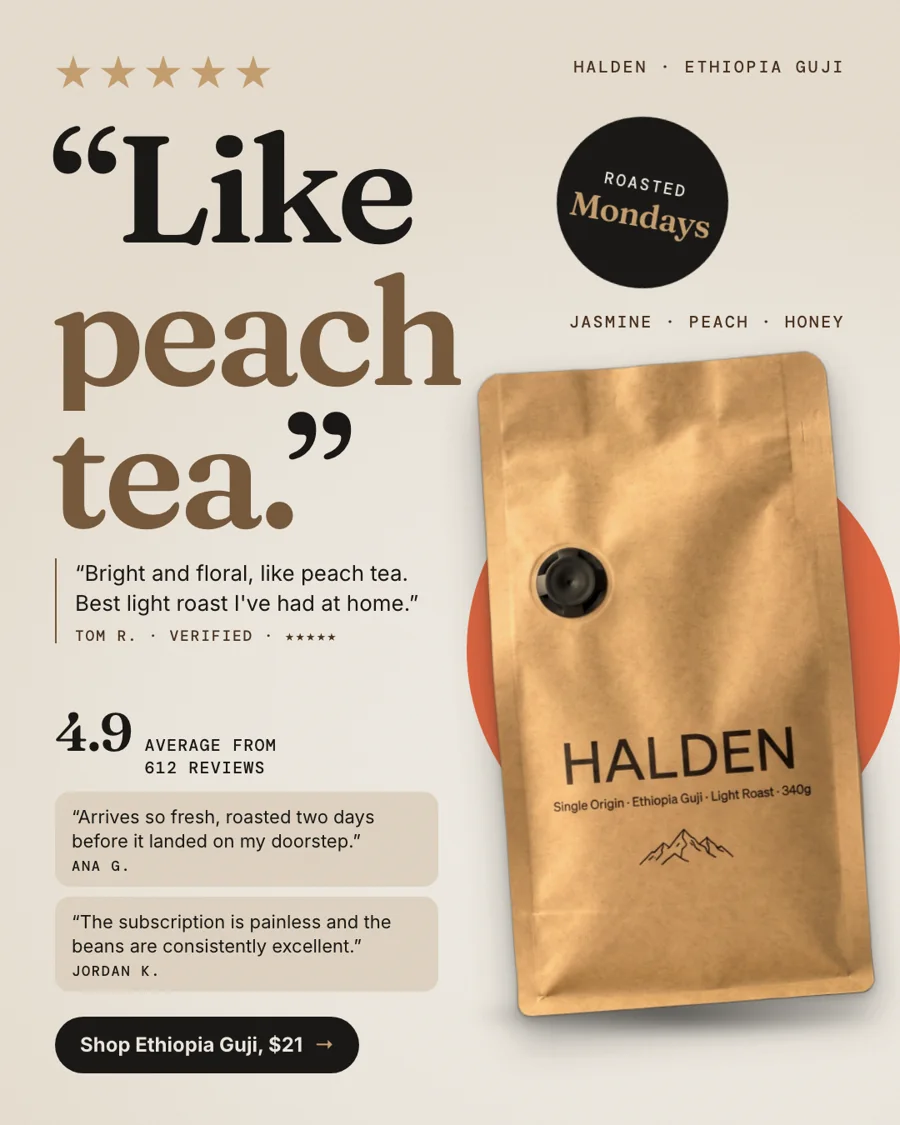
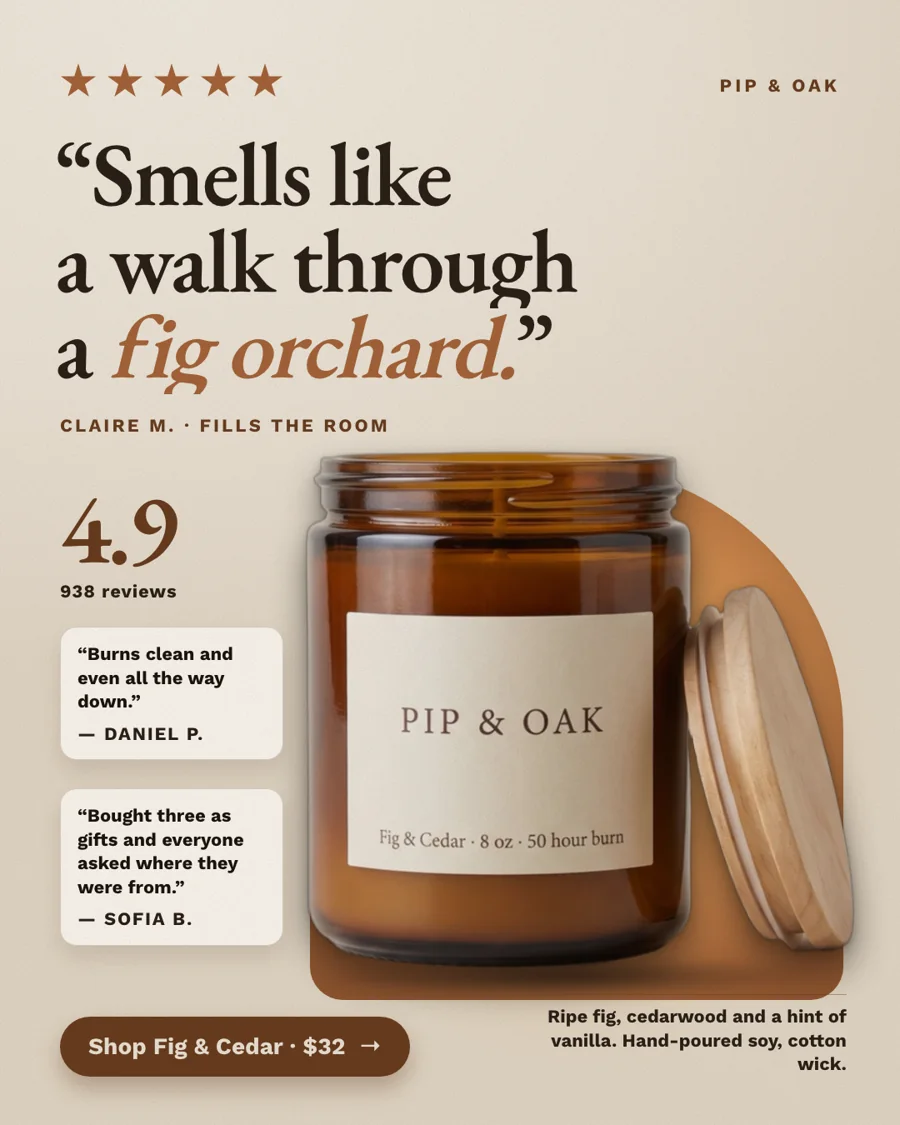
Reviews do the work outcome claims can't. A verbatim line like "easy to swallow and no aftertaste" is the customer's experience in their own words. Review cards and quote walls use quotes exactly, with your real star rating and review count.
Most supplement brands live on repeat orders. If your store shows a subscribe-and-save price or a bundle, it's read and checked like any other price and can lead a price or offer ad.