How we read different stores
| Your store | How we read it |
|---|---|
| Shopify | The store's public product data, with Shopify's public catalog as a fallback when a store limits automatic reading |
| WooCommerce | The shop's public Store API: prices, sale prices, photos, rating and review texts |
| Wix, Squarespace, PrestaShop | Product pages and the structured product data they publish |
| Any other store | Standard product markup on the page: name, price, photos, reviews |
| Etsy, Amazon or a blocked store | Upload screenshots of your listing and we fill in the details, or type them by hand |
Whatever the source, every price, rating and quote is checked against where it came from before an ad is delivered.
Picking what to advertise
- Start with a product that already sells. Ads amplify demand; they rarely create it from nothing.
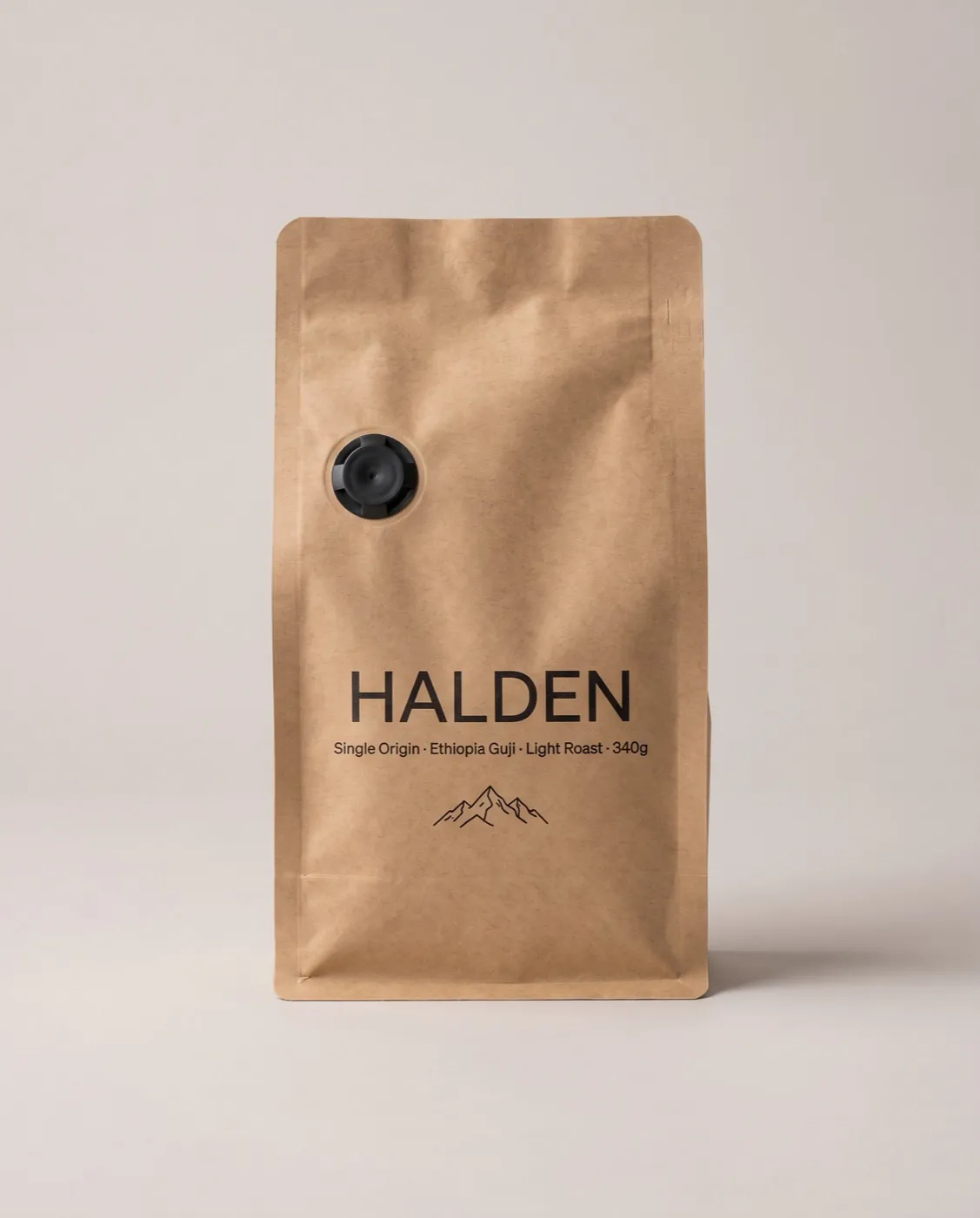
- Pick products with good photos. A clean packshot and one lifestyle photo give the engine the most layouts to work with.
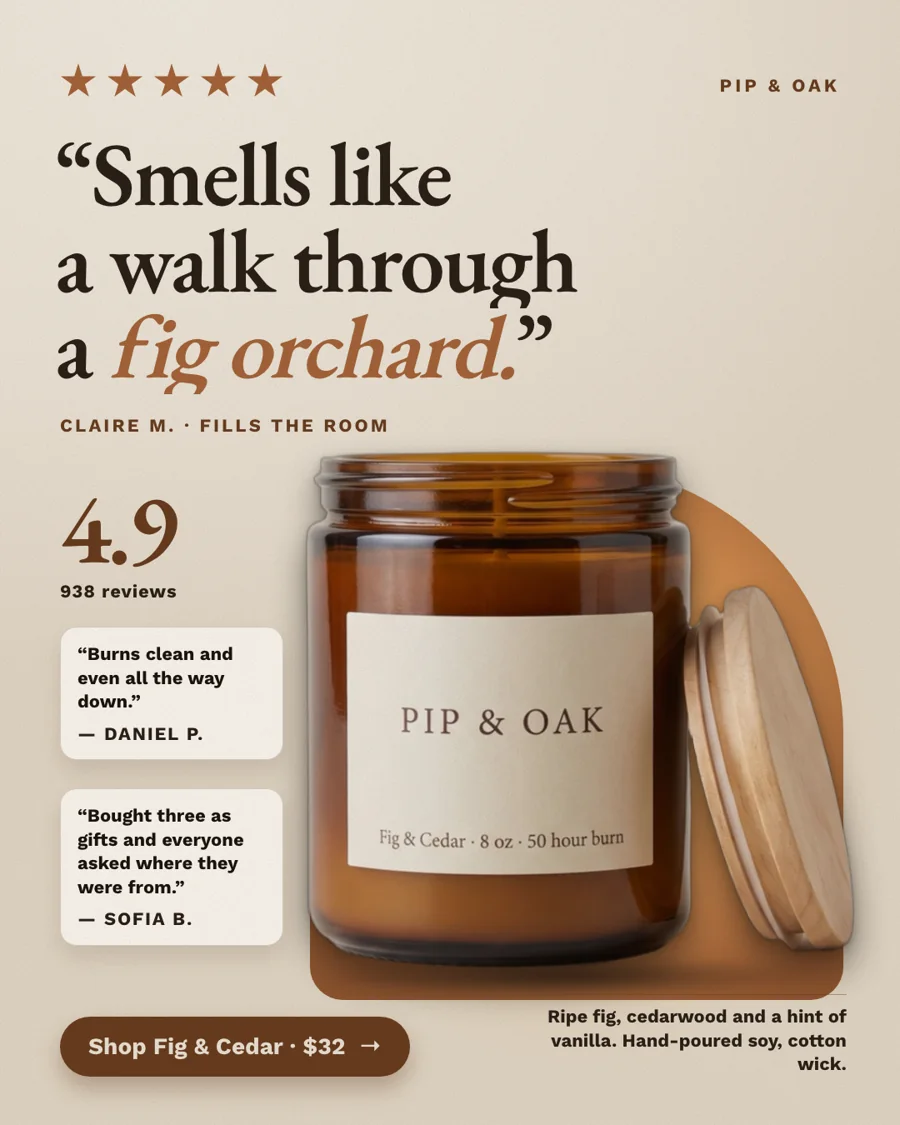
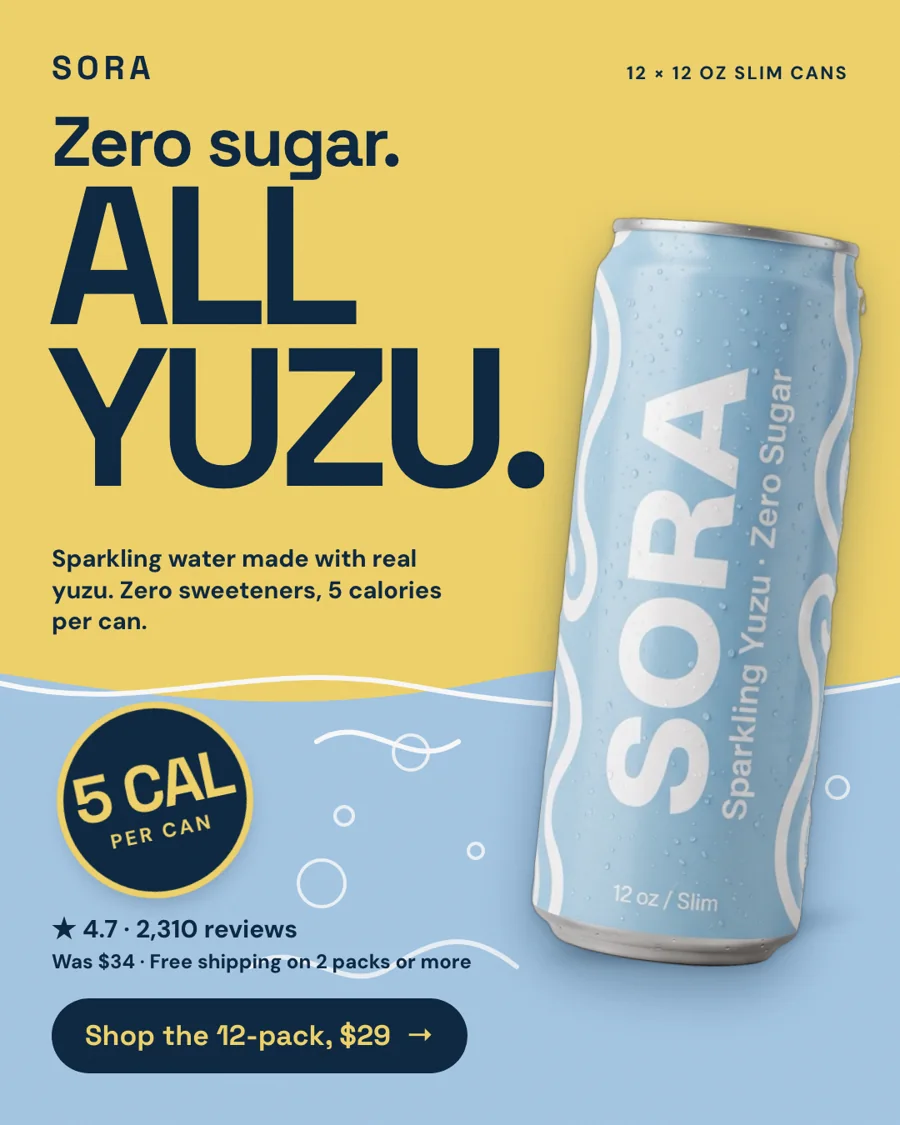
- Use reviews where you have them. A product with a few hundred reviews has ready-made proof for review cards and big-number ads.
- Keep product pages current. We read them fresh for every batch, so the page is the source of truth.
One design, every channel
Every ad comes in 4:5 and 1:1 for Facebook and Instagram feeds, 9:16 for Stories and Reels, 2:3 for Pinterest and 1.91:1 for Google's responsive display ads. On weekly plans, Meta ads can be sent to Ads Manager as paused drafts; for Pinterest and Google, download the files and upload them yourself. Our Google display sizes guide explains which file goes where.